Revenue Operations Blog
We explore Revenue Operations from every angle—strategy, tooling, team structure, and beyond. With expert insights and practical guides, this blog helps you navigate RevOps with clarity—whether you’re scaling your organisation or just starting out.
 Revenue operations software: 3 tools and a DIY optionCompare Five Dots, Vasco and Fullcast with building your own RevOps tool using AI. See where each fits, how pricing works and what you take on when you buy or build.
 AI Transformation Is Uneven: What We See Inside B2B CompaniesMost companies are not going through an AI transformation. A few people inside them are. What we see on the commercial side of B2B clients, where the research backs it up, and the questions we ask before building a single agent.
 ARR Reporting in Your CRM: Custom Snapshots and WaterfallWhy CRM-native ARR reporting breaks on multi-year deals, and how a custom snapshot layer gives you an ARR waterfall finance can actually trust.
 AI Pricing Models: Seat, Usage, Credit and Outcome-BasedAI is sold four ways: per seat, per unit of usage, through prepaid credits or per outcome, and most vendors now mix them. How each model works, dated list prices from Microsoft, Salesforce, HubSpot, Clay and Fin, where credits hide cost, and what to ask before you sign.
 Best RevOps Consulting Firms in Europe and the UK (2026)A shortlist of RevOps consulting firms in Europe and the UK, grouped by country, with the criteria we used, what each firm does best and how to choose. Disclosure: Revenue Wizards is on the list, and we say when to pick someone else.
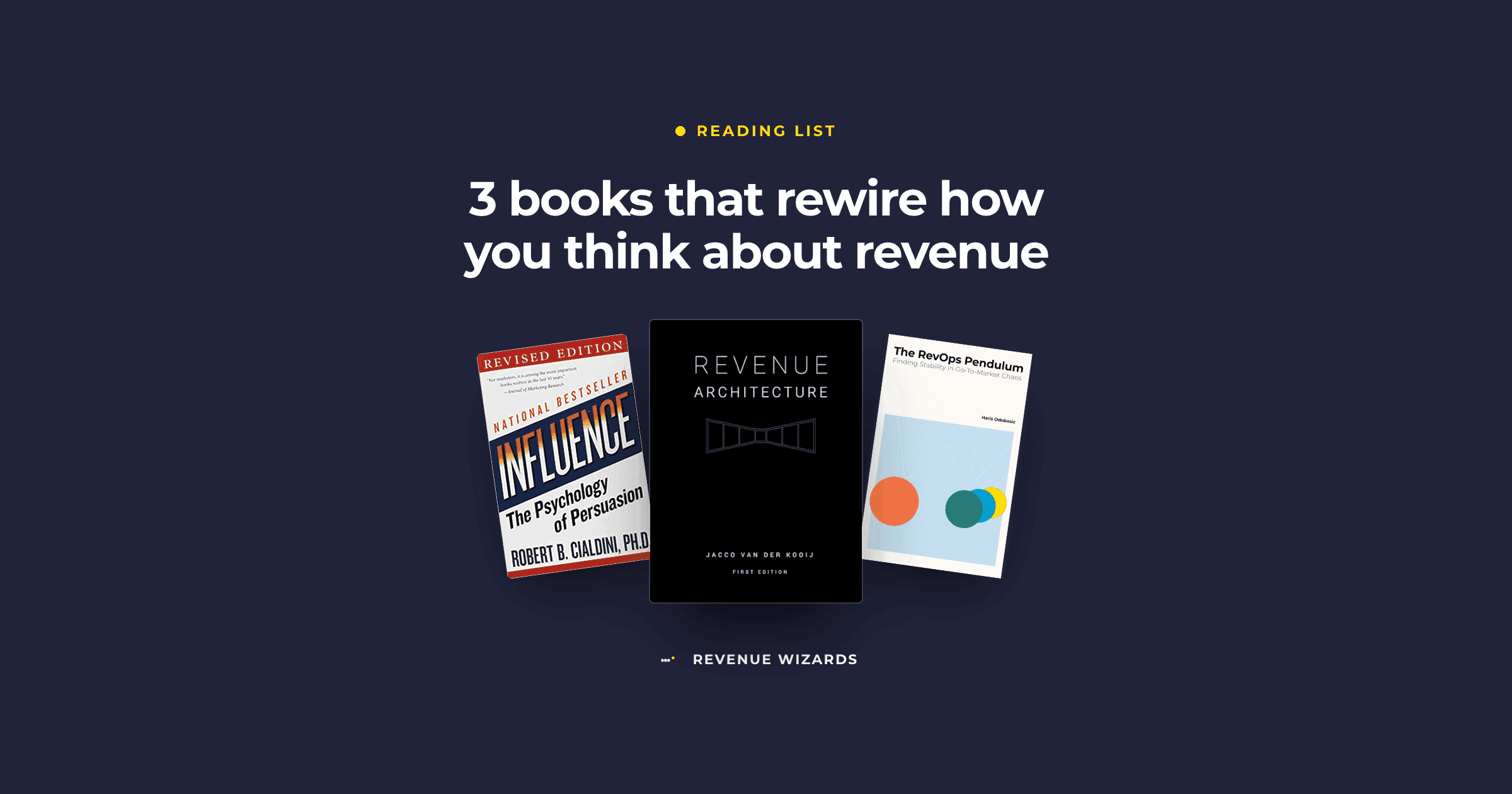 The Best Revenue Operations Books to Read in 2026Three revenue operations books cover most of what you need: Revenue Architecture, The RevOps Pendulum and Influence. Five more cover the adjacent skills of the job. For each, who it is for and one practical next step you can take this month.
 How to Choose a Revenue Operations Consulting PartnerRevenue operations consulting works when you buy a fix for a defined problem from a partner who can diagnose, build and hand over. A decision guide with engagement models, a scorecard, 10 questions to ask before you sign and the red flags to watch for.
 HubSpot Alternatives That Keep Your CRM Data YoursIn July 2026 HubSpot announced, then withdrew, terms that would have used customers' CRM data to enrich a shared dataset. Five HubSpot alternatives where your data stays yours, and where each one hosts it, so you can plan a migration on your terms.
 RevOps Org Chart for Mid-Sized SaaS: Roles and StructureOne RevOps generalist can't carry it anymore. The RevOps org chart for mid-sized SaaS: a VP of RevOps as the pivot, heads of process and enablement, systems and AI, and data, and how the structure changes below and above 20-50 commercial staff.
 GTM Engineer vs Revenue Operations (RevOps): What Is the Difference?GTM engineer and RevOps are not the same thing. One is a job title. The other is a function. Here is the difference, how the two roles split the work, and who to hire first at each stage.
 The 5 Best RevOps Courses and Certifications in 2026Five RevOps courses and certifications compared on cost, format, time and fit, with every detail checked on the provider's own page in October 2026. Includes a free skills gap checklist to decide what to learn first, and a note for managers buying training for a team.
 Build vs Buy for SaaS and RevOps Tools in the AI EraBuild narrow go-to-market tools such as a CPQ or territory planner, and buy your systems of record. A seven-question scorecard, three worked examples and the objections that still matter for RevOps and GTM teams in 2026.
 8 Best B2B SaaS Marketing Agencies for Pipeline (2026)The 8 best B2B SaaS marketing agencies in 2026, with real pricing, honest limitations, and a straight answer on which part of your revenue engine each one actually fixes.
 How AI Is Changing RevOps in 2026: What Teams Must DoAI is changing RevOps in four ways in 2026, and each one depends on CRM data most teams do not yet trust. 73% of RevOps teams have an AI mandate, 38% have the data. What is changing, what it means for the function, and what to do in the next 90 days.
 Salesforce CPQ Pricing: Cost, Licences and Build OptionSalesforce CPQ is no longer sold to new customers, and its successor Revenue Cloud lists at $150 to $200 per user per month on top of a CRM licence (October 2026). What CPQ really costs in Salesforce and HubSpot, why, and when building your own quoting pays off.
 Fractional RevOps: Scope, Cost Model and When to Use ItFractional RevOps gives B2B SaaS companies a senior revenue operations lead for an agreed number of days a month, without a full-time hire. How engagements are scoped, what drives the cost, how it compares with hiring, and when it is the wrong choice.
 AI vs Seat-Based Pricing: What SaaS Companies Should DoSeat-based pricing is losing ground: AI lets customers do the same work with fewer people. What the data shows, six pricing levers that reduce seat dependency, when outcome-based pricing fits, and a five-year transition plan for SaaS leaders.
 AI for Sales and RevOps: A Practical Playbook for 2026AI pays off in sales and RevOps when it changes one revenue workflow at a time, on data you trust, with an owner. Where to start, how to roll it out, what to measure, and why strategy and data come before tools, with data from our 2026 surveys.
 EU Data Act and SaaS Contracts: What Changes for VendorsSince 12 September 2025, EU customers can switch SaaS providers with no more than two months' notice, even mid-contract. What the Data Act allows, what it does not, and how SaaS vendors should adjust contracts, pricing and renewal forecasts.
 How RevOps Aligns Marketing and Sales (With Examples)Marketing and sales alignment usually breaks at the handoff: different definitions, slow follow-up and attribution nobody trusts. How RevOps fixes it, with a silo diagnostic, a lifecycle definition table and a two-way MQL-to-SQL SLA.
 HubSpot vs Salesforce for RevOps: How to Choose in 2026HubSpot wins on speed and business-user ownership. Salesforce wins when the revenue model is complex and someone will own it. A comparison of 2026 pricing, AI agents (Breeze and Agentforce), data model and total cost, with a decision framework by company stage.
 How to Hire a Head of RevOps: Timing, Skills and SalaryMost RevOps hires fail on timing or scope, not talent. When to hire your first RevOps leader, which level to hire, what to screen for, where to find candidates, what the role pays in 2026 and how to cover the gap while you recruit.
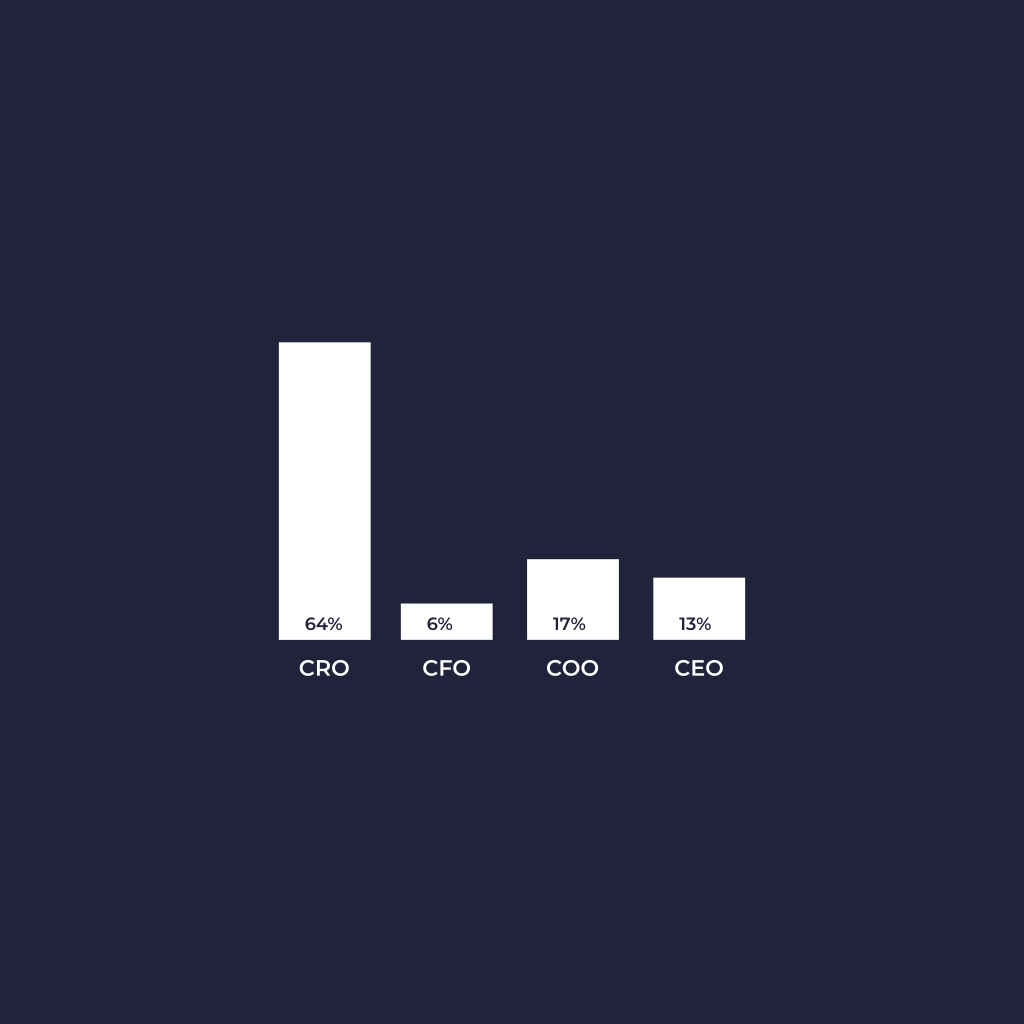 Who Should RevOps Report To? CRO, CEO or CFORevOps should report to the executive who owns the whole revenue cycle: the CEO while you are small or when no single leader owns marketing, sales and CS, and the CRO once one does. Never to marketing, sales or CS. The options, the trade-offs and a decision table.
 Top Traits of RevOps Professionals (and the One Skill That Sets Them Apart)Eight traits define great RevOps professionals, from a love of messy problems to empathy for the people who use the system. In 2026, add two skills: building AI workflows and querying data yourself. One skill still sets leaders apart: strategic communication.
 What Is Revenue Operations (RevOps)? Definition and GuideRevOps runs marketing, sales and customer success as one revenue system: one process, one dataset, one set of metrics. The definition, what a RevOps team does, how it differs from sales ops, who it reports to and what changes with AI.
 How to Implement Revenue Operations: A Step-by-Step PlanImplementing RevOps does not start with a tool. Agree the definition and the owner, map the revenue process, build the data foundation, then the stack and enablement. A 90-day launch plan, a first-year roadmap, a RACI, a checklist and what to do with AI from day one.
 The CRO's Guide to RevOps: What to Expect and MeasureThe average CRO lasts 25 months, so RevOps has to deliver quickly. What a CRO should expect from revenue operations, the metrics to hold it to, how to staff it, where it should report and how to get the data ready for AI.
 Commercial RevOps vs Financial RevOps: What Is the Split?Commercial RevOps drives pipeline and conversion; financial revenue operations owns billing, revenue recognition and reporting. Where the two meet, why their numbers drift apart, and who should own each step from quote to cash.
 Why Modern Sales Teams Moved Beyond Weekly Pipeline ReviewsWeekly pipeline reviews often exist because the CRM cannot be trusted. Why modern sales teams moved beyond them, when a review still makes sense, and what replaces it: CRM design, clear data ownership, eight pipeline metrics and continuous enablement.
 How Big Should Your RevOps Team Be? Headcount by StageNo in-house RevOps below about 25 employees, one senior hire at 26-50, two or three at 51-100, then a team that grows with your go-to-market headcount. The bands, who to hire first, and how AI is changing the ratios.
 Freelance vs In-House vs Consultancy RevOps: Which Fits?Freelancer, in-house hire, in-house team or consultancy: what each RevOps model really costs, what it covers, where it breaks and which one fits your stage. Updated with sourced salary data and a fifth option, the embedded GTM engineer.
 Do You Need a Ticketing System for RevOps Requests?Everyone wants a piece of RevOps. How to capture requests in one place, write tickets people can act on, run a backlog with one owner, choose a tool and track the SLA metrics that show whether it works, even for a team of one.
 BDR Onboarding and Ramp: A Productivity BlueprintNew BDRs take about three months to ramp and stay just under two years on average. Here is how to shorten the first and lengthen the second: a 30-60-90 day plan, AI where it helps, fair territories and incentives, and an honest look at AI SDRs.
 HubSpot and Salesforce Integration Guide: Prepare FirstMost HubSpot-Salesforce sync errors are decided before you switch the integration on. Part 1 of our three-part guide covers the preparation: requirements, duplicates, the lead-or-contact decision, data types, validation rules, field mapping and change management.
 RevOps Glossary: 80 Revenue Operations Terms DefinedPlain-English definitions of 80 revenue operations terms and acronyms, from ARR, NRR and pipeline coverage to lead routing, GTM engineering, signals and AI agents. Grouped by topic, one or two sentences each, with links to our deeper guides.
 Cold Email Best Practices for B2B Outbound in 2026Gmail, Yahoo and Outlook now enforce sender rules that decide whether your outbound lands. The verified requirements, how they apply to B2B, domain and list setup, using AI without losing relevance, what to measure, and a deliverability checklist.
 Sales Forecasting Best Practices: A RevOps PlaybookAccurate forecasts come from process, not prediction software. A RevOps playbook for sales forecasting: written data rules, forecast categories that mean something, a five-layer cadence, deal inspection on evidence and the accuracy KPIs to review.
 How RevOps Helps You Raise Capital and Pass Due DiligenceInvestors test your numbers before they fund them. How RevOps strengthens a raise: forecasts investors can trust, a clean data foundation, lower GTM cost and proof of product-market fit, plus a go-to-market due-diligence checklist for your data room.
 RevOps Compensation: How to Structure Pay and IncentivesHow should you pay RevOps? Combine base salary with variable pay and a company bonus, and set the mix by responsibility and impact on revenue, cost and profit. With 2026 salary ranges by level from RevOps Roles, our base and variable matrix and a worked example.
 Using Python in RevOps: How to Update Your CRM and Avoid DuplicatesA real case: 30,000 new accounts against a CRM with 10,000, brand names on one side and legal names on the other. The Python script we use to match them before import, updated for 2026 with RapidFuzz, name normalisation, a review band and a safe-merge checklist.
 RevOps Best Practices: 7 Practices That Drive GrowthSeven RevOps best practices for growing B2B companies, each with the metric it moves, plus what to stop doing and what changes when AI enters the revenue engine. Practical, from an operator's point of view.
 How to Start a Career in RevOps: Advice from PractitionersNine RevOps leaders share the advice they would give anyone starting a career in revenue operations: learn the whole revenue engine, get the data foundation right and invest in communication and change management. Plus a first-90-days plan for 2026.
 CRM Database Design: Objects, Fields and Data Model GuideMost CRM reporting problems start in the data model, not the dashboard. How to design objects, relationships and fields so your CRM answers revenue questions without manual clean-up, with HubSpot and Salesforce notes, duplicate prevention, AI-ready fields and a checklist.
 How to Keep Your RevOps Tool Stack Lean in the AI EraEvery new tool costs money, attention and data quality. How to get full value from the RevOps stack you already have, run a simple audit to decide what to keep, consolidate, replace or build, and stop AI tools from repeating SaaS sprawl.
 RevOps vs Sales Ops: Key Differences and When You Need BothSales ops makes the sales team efficient. RevOps makes the whole revenue cycle work as one system, from marketing to renewal. How they differ in scope, metrics, tools and reporting line, and which one to hire first at your stage.